
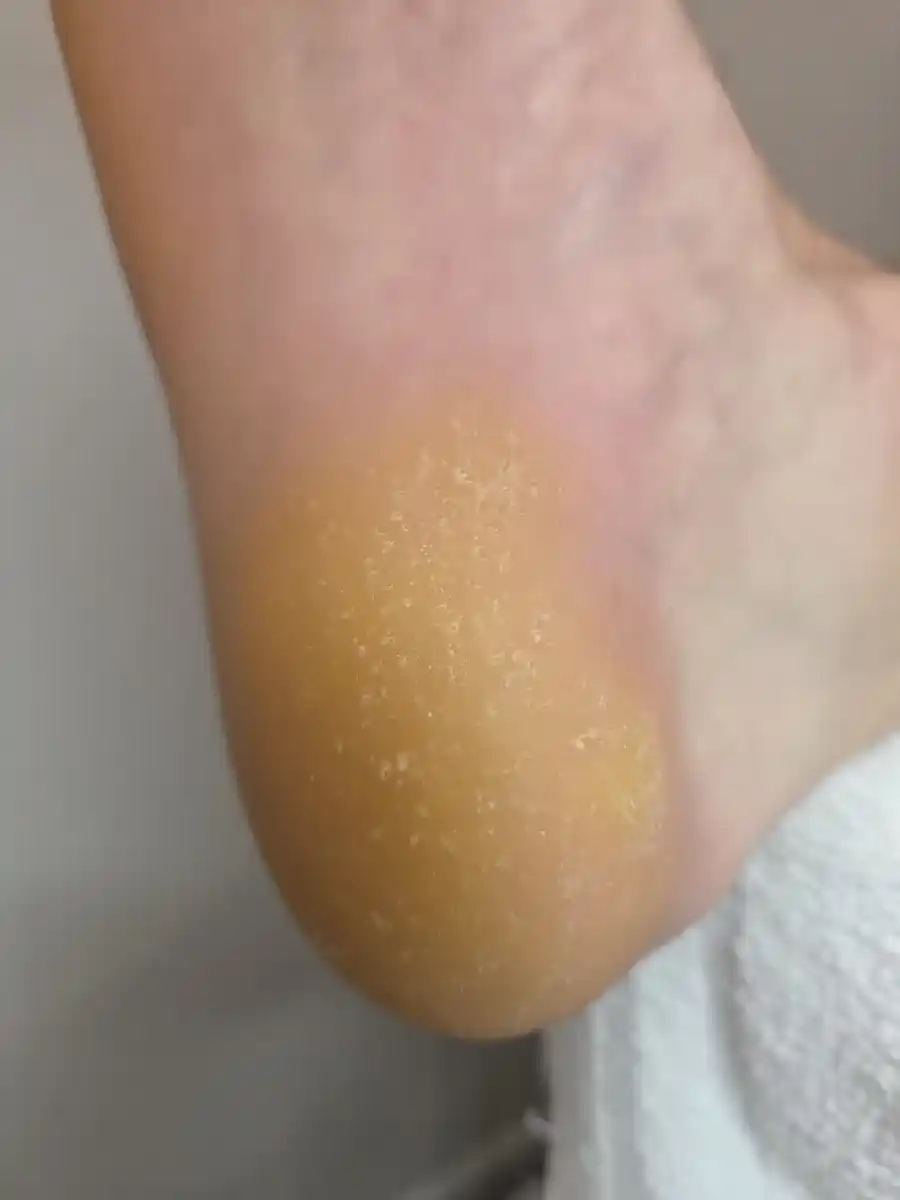
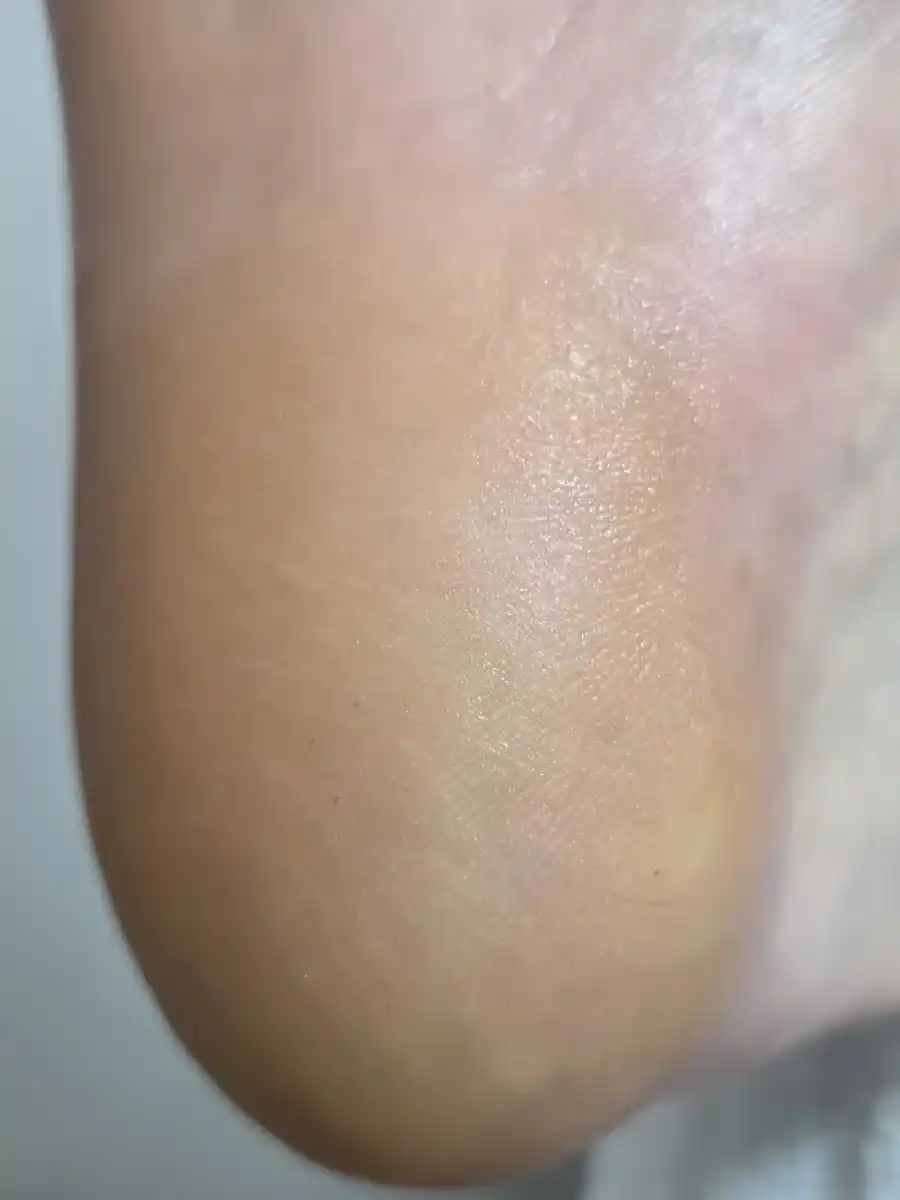
Thick yellow callus on the heel
The hard layer reduced evenly with a podology e-file down to smooth, natural skin — dry technique, no soaking, no razor.
For hyperkeratosis — the thick, hardened skin that builds up on the balls of the feet and heels under constant pressure. Removed mechanically in layers with an e-file, which is safer and lasts considerably longer than blade work.
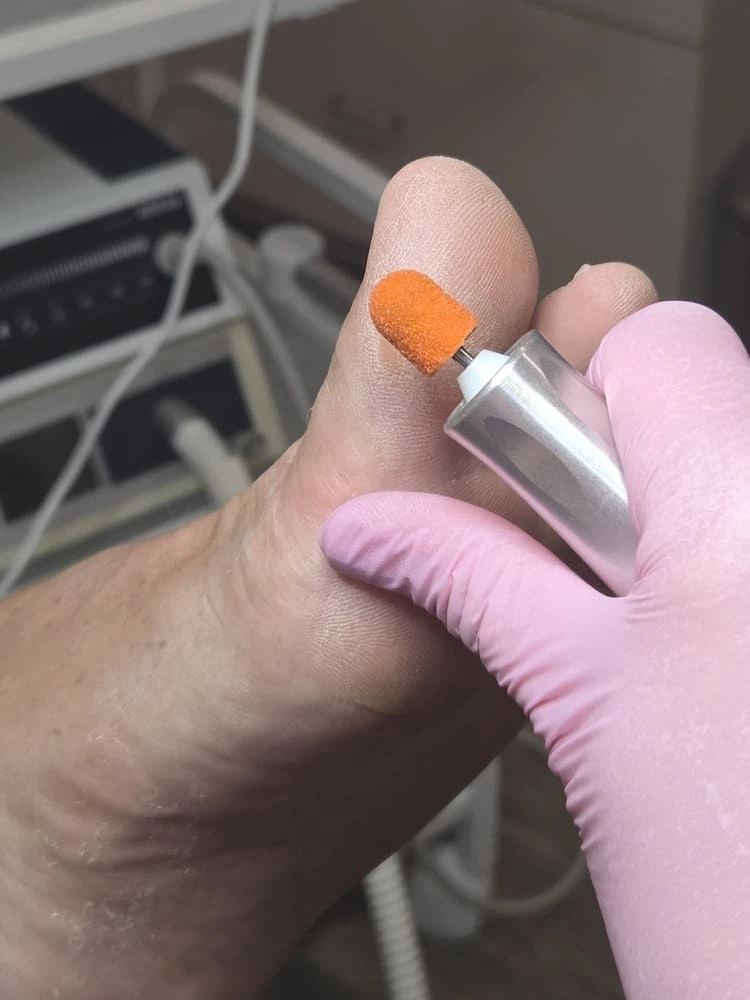
Every pair is one client of Yulia, before and after the visit. Swipe to see more.
The hard layer reduced evenly with a podology e-file down to smooth, natural skin — dry technique, no soaking, no razor.
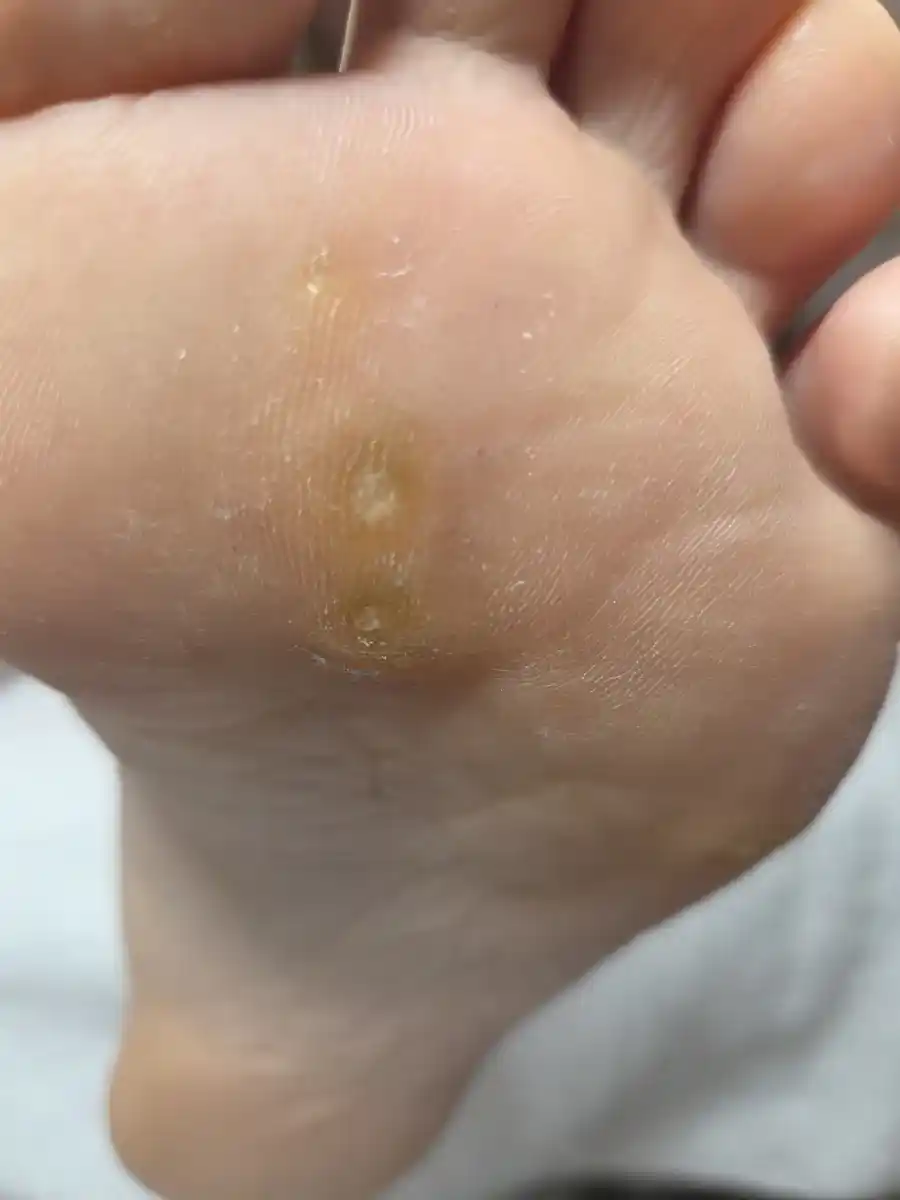
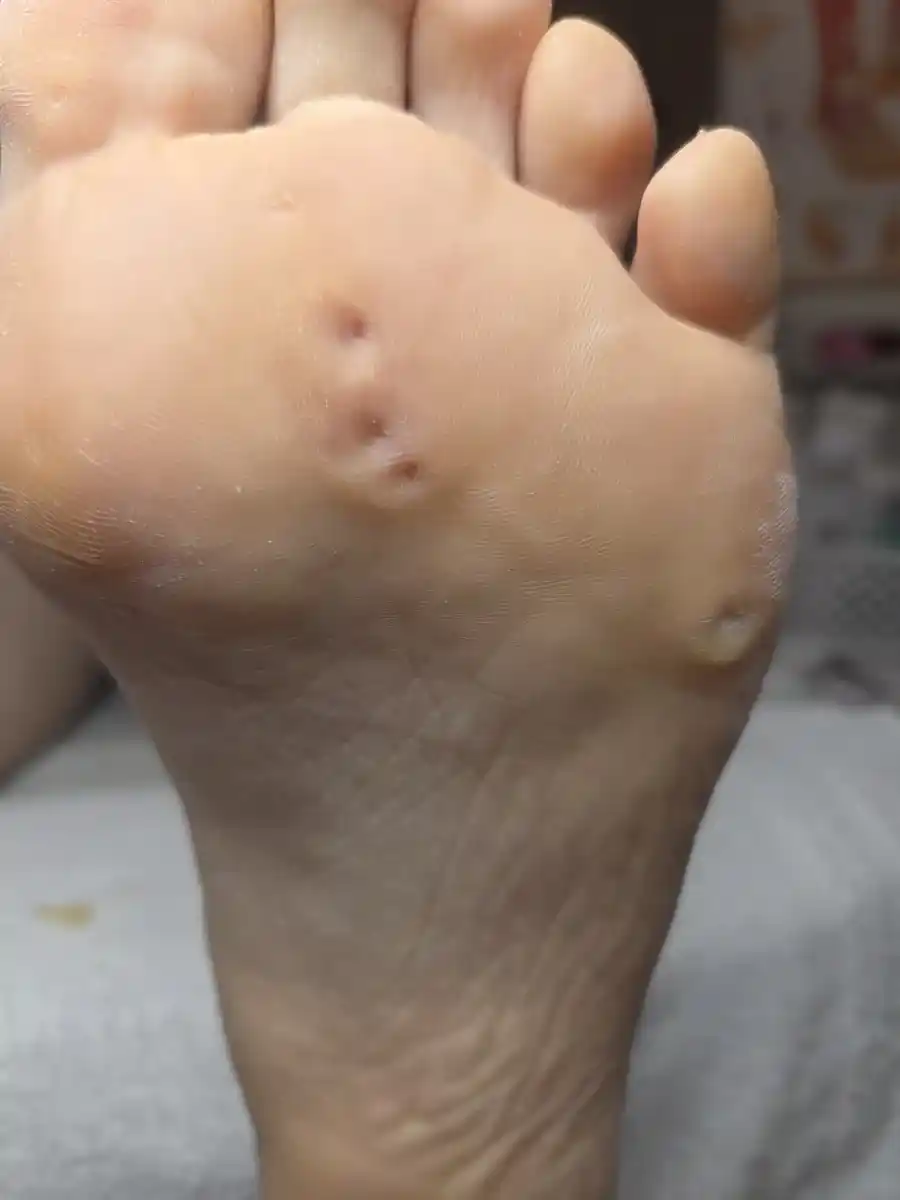
The callus cap and each core lifted out with fine podology e-file bits — no blades, no acids. Only small, clean pits remain where the cores were.
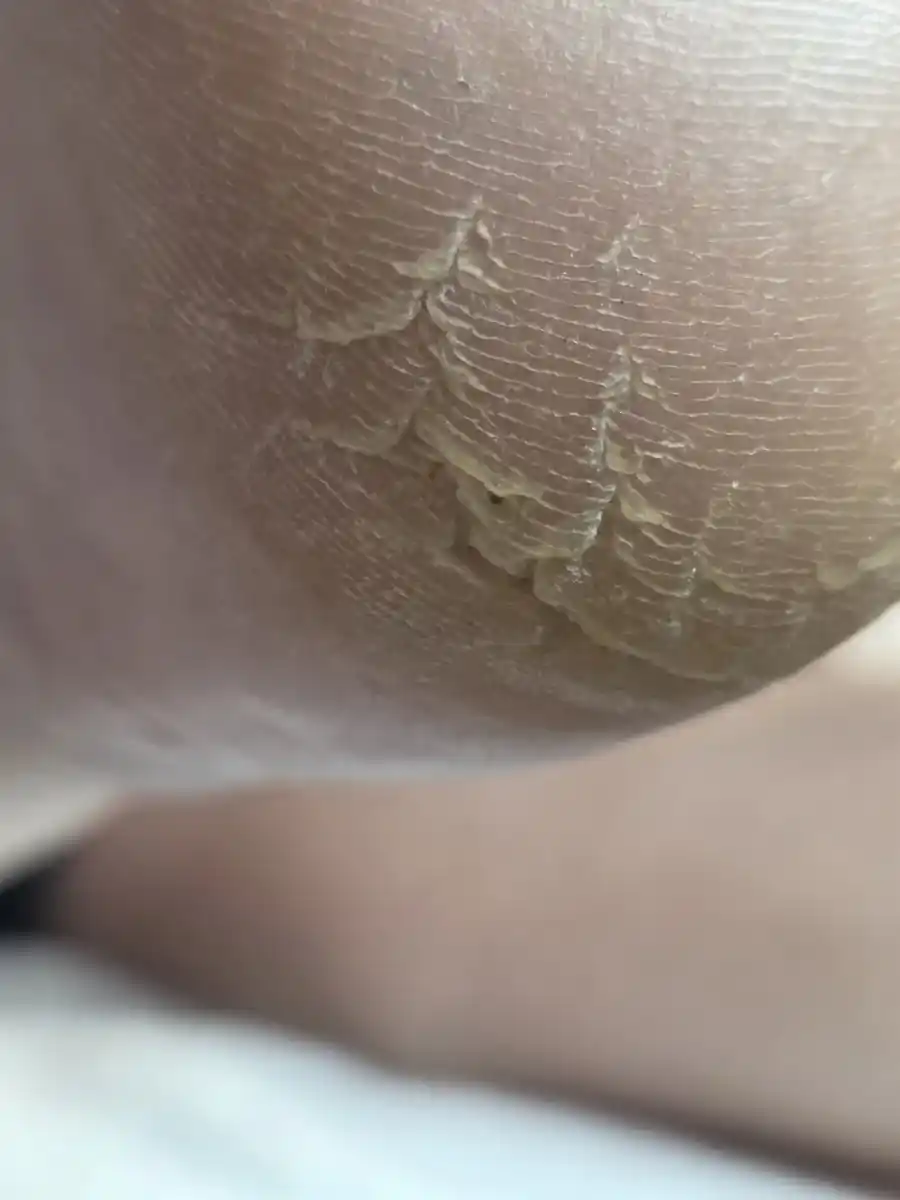
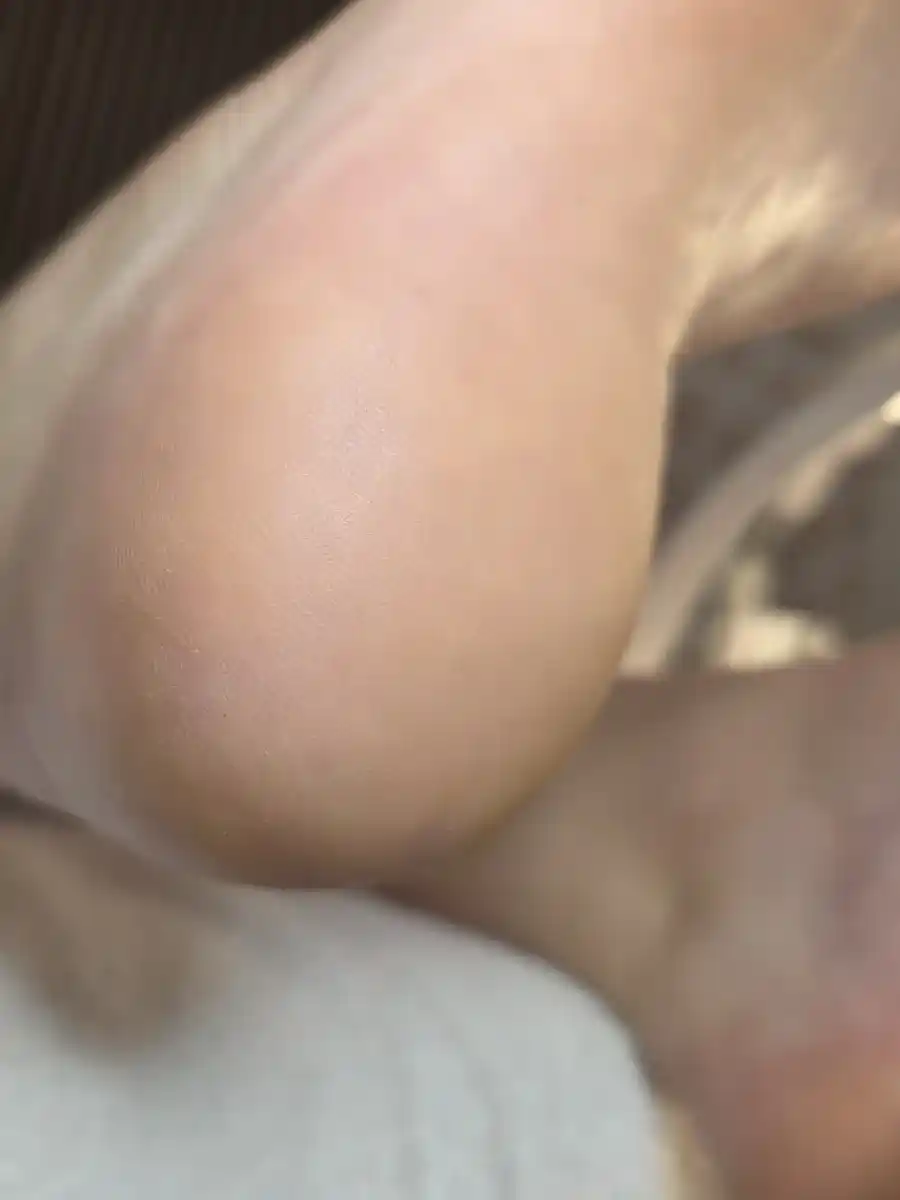
The hard rims around the cracks and the dry layers smoothed away with e-file bits, leaving an even, soft heel.
Cosmetic results · photos published with clients’ permission.
Not sure this is the right care? Book a $50 consultation — Yulia checks your feet and tells you exactly what they need.
Yulia looks at where the thick skin sits and how you walk and stand, because the pattern explains why it forms.
A keratolytic gel softens the hardened layer while the skin stays dry and easy to read.
The thick skin is taken down gradually with an e-file until it is smooth and comfortable — never down to raw skin.
The area is moisturized and you get a prevention routine for home.
Hyperkeratosis simply means a thickening of the outer layer of skin. On the feet it is a response to pressure and friction, and it usually shows up on the balls of the feet, the heels and the sides of the big toes as dry, yellowish, hard skin. A callus is a small, localized patch of it; hyperkeratosis often covers a wider area and can crack if it gets too thick and dry.
Common contributors are long hours standing, thin-soled or unsupportive shoes, the shape of your foot, and naturally dry skin that gets drier with age and in winter. Some medical conditions also cause thick skin; if it appeared suddenly or covers your palms too, check with a doctor.
Blade work removes skin fast but unevenly, and it is easy to cut into living tissue. Taking the skin down in layers with an e-file is slower, completely painless and leaves a smooth surface that does not rebuild as quickly. That is why results last considerably longer.
Usually not — it is your skin protecting itself. But very thick skin can crack and become painful, and in people with diabetes it can hide problems underneath, so it is worth keeping under control.
A callus is a localized form of hyperkeratosis. The term hyperkeratosis is often used when the thickening covers larger areas of the sole or heel.
Typically several weeks. It depends on your shoes, how much you stand and how consistently you use a urea cream at home.
Hyperkeratosis removal is a defined 45-minute service. If you also need nail work or deep corn removal, the full Healthy Nails Care may be better value.
$80 · 45 min. No payment online — you pay in studio after your care.
2891 E Maple Rd, Troy, MI 48083 · Tue/Thu/Sat 9am–8pm · Mon/Wed/Fri 4pm–8pm